Why Does Cold Weather Affect Truck Performance?

Time:2026-10-13 Author:Mason
0%

Why Does Cold Weather Affect Truck Performance?

A truck may look ready at dawn, yet its performance can change sharply below freezing. The question is not only what affects truck performance in cold weather, but how several systems react together. Low temperatures thicken engine oil, slow battery chemistry, and reduce fuel flow. Air also becomes denser, which can alter combustion, boost response, and fuel delivery. A tired battery may crank once, then hesitate beside a snow-covered loading dock.

Dr. John B. Heywood, an MIT combustion-engine expert, has stated, “Cold starts are a major source of emissions.” His observation also explains why cold engines often feel rough, smoky, or unusually weak. During startup, the engine needs more energy, better fuel vaporization, and reliable lubrication. Diesel fuel can wax in severe conditions. Moisture can freeze in air lines or fuel filters. Tires lose pressure, while packed snow increases rolling resistance and braking demands.

The details matter.

In my view, temperature alone does not explain every performance complaint. Maintenance history, fuel quality, battery age, load weight, and parking conditions can matter just as much. A well-maintained truck may start at minus 20 degrees Celsius, while a neglected vehicle can struggle near zero. That difference is easy to overlook.

This article examines the practical causes behind winter power loss, delayed starting, higher fuel use, and component stress. It also considers what drivers and fleet managers can inspect before a cold morning becomes an expensive delay. Some explanations remain imperfect, because every truck responds differently. That uncertainty deserves attention.
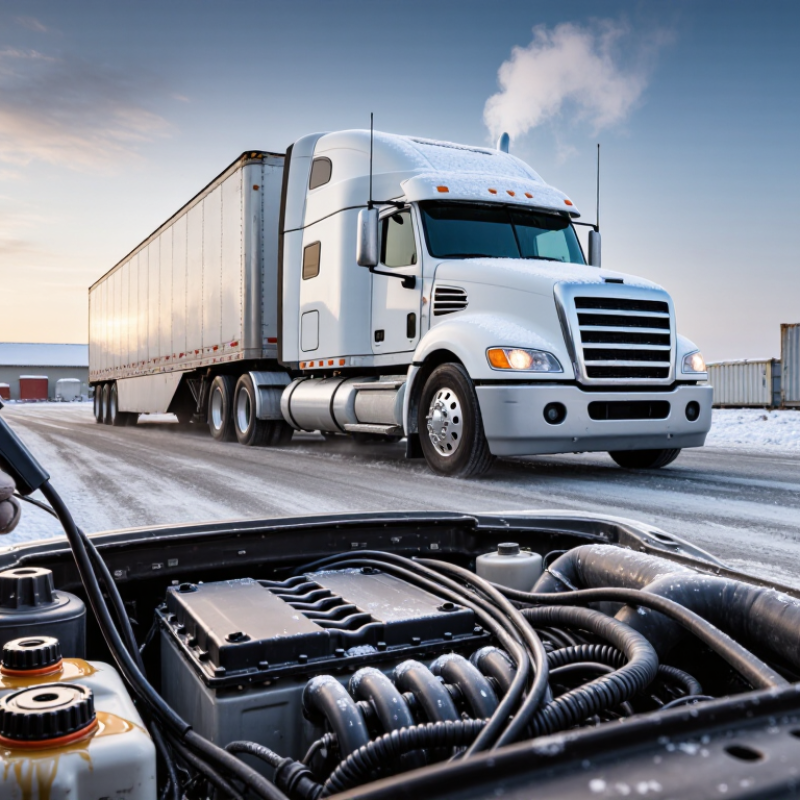
Why Does Cold Weather Affect Truck Performance?

Cold Weather and Its Effects on Truck Systems

Why Does Cold Weather Affect Truck Performance?

Cold Weather and Its Effects on Truck Systems

Cold air thickens engine oil and increases resistance in moving parts. A truck may crank slowly, even with a healthy battery. The U.S. Department of Energy reports that cold weather can reduce fuel economy by 10–20% in city driving and up to 24% on short trips. These figures describe light-duty vehicles, but they offer a useful warning for commercial fleets. Diesel engines also need stronger starting power when temperatures fall.

Fuel systems face another problem. Moisture can freeze in fuel filters, air lines, and pneumatic valves. Restricted airflow may cause rough operation or delayed braking response. The National Highway Traffic Safety Administration states that tire pressure drops about 1 psi for every 10°F decrease. Underinflated tires increase rolling resistance and reduce steering stability. Small pressure losses become serious under heavy loads.

Battery performance declines sharply in freezing conditions. The Battery Council International notes that available battery power can fall as temperatures approach 0°F. A weak battery may still pass a warm-weather test. That result can mislead technicians. Preventive inspections should include battery load testing, coolant protection, tire pressure, and air-dryer function. Fleet records also deserve review. Maintenance intervals based only on mileage may miss seasonal stress. Cold-weather preparation is not perfect, but ignoring it is worse.

How Low Temperatures Influence Engines and Fuel

Cold weather changes more than the temperature outside. It alters fuel behavior, oil resistance, battery output, and combustion quality. According to the U.S. Department of Energy, conventional vehicles can lose 10–20% of their city fuel economy at 20°F compared with 70°F. Short trips may reduce economy by 15–24% because the engine never reaches its efficient operating temperature.

Fuel delivery becomes harder in freezing conditions. Diesel fuel can thicken as wax crystals form, restricting filters and narrow fuel lines. The exact temperature depends on fuel formulation and seasonal specifications. Gasoline also vaporizes less easily when cold, so the engine may require richer mixtures during startup. That extra fuel supports ignition, but it increases consumption and may leave deposits if warm-up remains incomplete.

Engine oil becomes noticeably thicker overnight. A truck may crank slowly, while the starter and battery work under heavier electrical demand. The U.S. Department of Energy notes that battery performance also declines in low temperatures, especially during starting. Tire pressure drops as air contracts, adding rolling resistance. Small losses accumulate.

Field conditions are rarely neat. Wind, payload, idling time, and maintenance can change the result. A fleet may see better figures than the report, or much worse ones. Checking fuel filters, using the correct seasonal fuel, and selecting the specified oil grade are practical controls. Still, no preparation removes every winter penalty.

Why Batteries and Electrical Components Lose Power in Winter

Why Does Cold Weather Affect Truck Performance?

Why Batteries and Electrical Components Lose Power in Winter

Cold weather weakens a truck’s battery before the engine even turns. The American Automobile Association reports that a lead-acid battery can lose about 35% of its strength at 32°F. At 0°F, the loss can reach 60%. Meanwhile, cold oil thickens, increasing starter resistance and demanding more electrical current.

That combination creates a difficult morning start.

In practical fleet inspections, weak batteries often show small warning signs first. Interior lights dim briefly. Starter cranking sounds slower. Dashboard voltage readings fluctuate. Corroded terminals make the problem worse by restricting current flow. The U.S. Department of Energy notes that cold conditions also reduce vehicle fuel economy, partly because fluids thicken and engines warm slowly. This extra workload keeps alternators operating longer.

Electrical components suffer too. Low temperatures reduce battery chemical activity, while moisture can freeze around connectors and wiring seals. A battery rated at 800 cold-cranking amps may deliver substantially less usable output during severe winter mornings. The rating still matters, but it is not a guarantee.

One overlooked detail is battery age. A three-year-old battery may survive mild weather yet fail suddenly below freezing. Testing voltage alone can mislead technicians, because resting voltage does not always reveal declining cranking capacity. Load testing is more reliable. Still, published figures are averages, not promises; wind exposure, maintenance, cable condition, and parking time can change the result.

The Impact of Ice, Snow, and Cold Air on Truck Mobility

Why Does Cold Weather Affect Truck Performance?

Ice, snow, and cold air can reduce truck mobility in several ways. Ice forms a thin, slippery layer between tires and the road. Even a small patch can weaken traction during braking, turning, or climbing. Snow creates deeper resistance, especially when it packs beneath the chassis. Heavy, wet snow may also cover road markings and hide uneven surfaces.

Cold air affects more than visibility. Tire pressure usually drops as temperatures fall, reducing the tire’s contact with the road. Batteries deliver less power in freezing conditions, while engine oil becomes thicker and slows movement during startup. Diesel fuel systems can also respond poorly when moisture freezes inside filters or lines. I have found that a truck may sound normal but still accelerate slowly in severe cold.

The driver’s judgment remains important. Lower speed, gentle steering, and increased following distance give the tires more time to regain grip. Clearing snow from steps, mirrors, lights, and wheel wells also prevents small hazards from becoming serious ones. I once underestimated packed snow near a rear wheel. That assumption was wrong. The truck moved, but steering response became noticeably delayed. Experience suggests checking road texture, tire pressure, and braking response before entering a steep or icy section. Conditions can change within minutes.

Practical Ways to Maintain Truck Performance in Cold Weather

Cold weather changes truck performance before the driver notices a warning light. Thickened oil increases cranking resistance, while weak batteries lose usable capacity. Frozen moisture can also restrict air-brake systems. Small delays become costly.

The U.S. Department of Energy’s Fuel Economy Guide reports that cold weather can reduce diesel fuel economy by 15–20% in city driving. Heavy trucks may respond differently, but the trend remains practical: plan for higher fuel use. Use the correct winter-grade oil, inspect coolant freeze protection, and test batteries before temperatures fall. A battery test is more useful than guessing from engine sound. Let the engine warm briefly, then drive gently; extended idling wastes fuel and may not warm every component evenly.

Check tire pressure at the start of each shift. The National Highway Traffic Safety Administration notes that pressure can change by about 1 psi for every 10°F temperature change. Underinflation increases rolling resistance and may reduce steering control.

Inspect tread, valve stems, wheel ends, and air lines for ice or leaks. Drain air tanks regularly, and use approved moisture-control procedures.

Keep fuel filters clean, because water contamination can freeze and interrupt fuel flow. I have seen operators focus on the engine while ignoring door seals and trailer wiring. That is a mistake. A simple inspection log, recorded before departure, creates better evidence than memory. Review it after each cold-weather route and change the checklist when real failures expose its gaps.

FAQS

Why does cold weather make a truck start slowly?

Cold oil thickens and increases resistance inside moving parts. The starter and battery must work harder. Cold starts hurt.

How does freezing weather affect fuel delivery?

Diesel wax crystals can restrict filters and narrow fuel lines. Moisture may also freeze inside filters or air lines. The exact risk depends on fuel formulation and temperature.

Does gasoline behave differently in cold conditions?

Gasoline vaporizes less easily when cold. The engine may use a richer mixture during startup. This can increase fuel use and deposits during incomplete warm-up.

How much fuel economy can a truck lose in cold weather?

City fuel economy may drop by 10–20 percent. Short trips can lose 15–24 percent. Payload, wind, idling, and maintenance can change the result.

Why should technicians test batteries during winter preparation?

Battery power declines sharply near freezing temperatures. A weak battery may pass a warm-weather test but fail on a cold morning. Load testing gives a clearer warning.

How does low temperature affect tire pressure?

Tire pressure drops about 1 psi for every 10°F temperature decrease. Underinflated tires increase rolling resistance and reduce steering stability. Heavy loads make small losses more serious.

Can frozen air systems affect braking response?

Yes. Moisture may freeze in air lines, pneumatic valves, or air-dryer components. Restricted airflow can cause rough operation or delayed braking response. Inspect the air dryer.

Should fleets rely only on mileage-based maintenance schedules?

Not always. Seasonal stress may appear before the mileage interval arrives. Review battery condition, coolant protection, tire pressure, fuel filters, and air systems. No checklist catches everything.

Conclusion

Cold weather can significantly reduce truck performance by affecting nearly every major system. Low temperatures make engine oil thicker, slow fuel vaporization, and increase the effort required to start and operate the engine. Batteries also lose power in winter, while electrical connections may become less reliable. These conditions can lead to slower cranking, reduced fuel efficiency, and delayed engine response. Understanding what affects truck performance in cold weather helps drivers and fleet operators prepare for seasonal challenges.

Ice, snow, and cold air can further reduce mobility by lowering tire traction, restricting airflow, and making roads slippery or uneven. To maintain reliable performance, trucks should receive regular inspections before and during winter. Useful measures include checking battery strength, using suitable fluids, maintaining proper tire pressure, clearing snow and ice from essential components, and allowing the engine time to warm up. Careful winter preparation improves safety, reduces mechanical strain, and helps trucks operate more consistently in harsh conditions.

Mason

Mason

Mason is a seasoned marketing professional with a deep expertise in the company's offerings and a passion for driving brand awareness. With a strong background in digital marketing strategies, he has an innate ability to connect with diverse audiences and effectively communicate product benefits.......