In today's logistics industry, fuel consumption management is not just a cost concern; it's a vital sustainability issue. According to the American Transportation Research Institute, fuel costs can account for up to 24% of a fleet's operating costs. This staggering figure underscores the urgency for logistics companies to master how to manage fuel consumption in logistics fleets. Effective fuel management strategies can lead to significant cost savings and reduced greenhouse gas emissions, contributing to corporate responsibility goals.
Many fleet operators face challenges in tracking and reducing their fuel usage. Despite advancements in technology, inefficient routes and driver behavior often hinder efforts to optimize fuel consumption. A study by the Department of Energy reveals that improving vehicle efficiency can lead to a 5-20% reduction in fuel usage, but many fleets fail to implement the necessary changes. This is a crucial area for reflection, as missed opportunities for savings and sustainability can have long-term impacts on a company's bottom line and environmental footprint.
As the logistics landscape evolves, there is greater emphasis on actionable strategies. Companies must explore innovative practices and invest in technology. The question remains: Are logistics fleets doing enough to adapt? Addressing fuel consumption effectively requires a shift in mindset, awareness, and real commitment to proven methods that drive results.
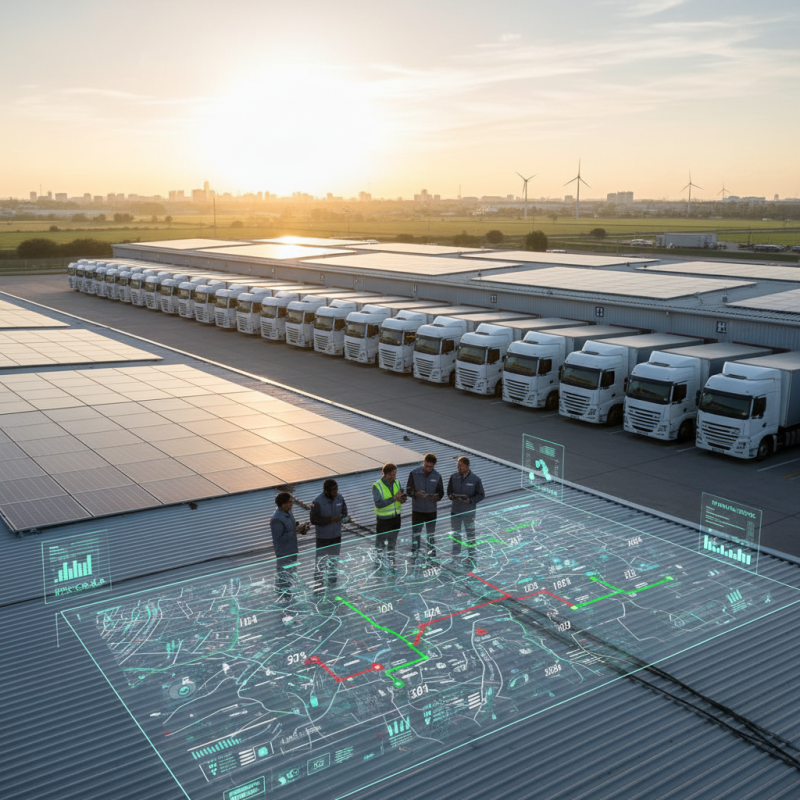
Understanding Fuel Consumption in Logistics Fleets
Understanding fuel consumption in logistics fleets is crucial for operational efficiency. In 2021, fleets accounted for about 20% of greenhouse gas emissions in transportation. This statistic highlights the urgent need for better fuel management strategies. High fuel consumption not only increases costs but also affects environmental sustainability. A lean logistics approach can significantly improve these metrics.
Implementing regular maintenance can enhance fuel efficiency. According to industry studies, well-maintained engines can improve fuel economy by up to 4%. This underscores the importance of routine checks. Drivers also play a vital role in fuel consumption. Training programs that focus on fuel-efficient driving techniques can lead to a potential 10% decrease in fuel use. Keeping drivers informed can boost awareness of their impact on fuel costs.
Another effective tip is to optimize routes using advanced software. GPS and telematics can reduce unnecessary mileage. A report indicated that optimized routing could save fleets approximately 12% on fuel. Furthermore, embracing electric vehicles can be a long-term investment. As battery technology improves, electric vehicles are becoming more viable, leading to reduced operational costs. Adjusting fleet strategies to incorporate these changes can yield significant benefits.
Implementing Fuel-Efficient Route Planning Strategies
Effective route planning is vital for managing fuel consumption in logistics fleets. By optimizing routes, companies can greatly reduce the distance traveled and minimize fuel use. This not only leads to cost savings but also benefits the environment by lowering carbon emissions. Using GPS and mapping software helps identify the fastest and most efficient paths for delivery vehicles.
Incorporating real-time traffic data into route planning can enhance efficiency significantly. Traffic jams and road closures can waste valuable time and fuel. By adjusting routes dynamically, fleets can avoid delays. It's crucial, however, to regularly assess and update these strategies. What works today may not be effective tomorrow.
It’s also beneficial to engage drivers in fuel-efficient practices. Training them on eco-friendly driving habits can yield significant results. Simple changes like smooth acceleration and maintaining steady speeds make a difference. Gathering feedback from drivers about real-world challenges can help refine route planning strategies. This iterative approach can lead to ongoing improvements and enhanced operational reliability.
Adopting Advanced Fleet Management Technologies
In modern logistics, advanced fleet management technologies play a crucial role in managing fuel consumption effectively. These technologies include telematics systems, which gather real-time data on vehicle performance and driver behavior. By analyzing this information, fleet managers can identify inefficiencies. For instance, excessive idling and aggressive driving can significantly impact fuel use.
Another important aspect is route optimization software. This technology helps to plot the most efficient paths for deliveries. By minimizing travel distances and avoiding traffic congestion, fleets can cut down on fuel costs. Using AI-powered algorithms, these systems can adapt routes based on current traffic conditions. However, not every fleet may have the budget for these advanced tools, leaving some managers to rely on basic solutions.
Moreover, training drivers on eco-friendly practices is essential. Proper training can lead to better decision-making on the road. Even with the best technologies, human factors often lead to fuel waste. Encouraging mindful driving habits can help bridge this gap. The combination of technology and human intervention is key to optimizing fuel consumption in logistics fleets.
Top 10 Ways to Manage Fuel Consumption in Logistics Fleets
| Strategy |
Description |
Expected Fuel Savings (%) |
Implementation Cost ($) |
| Route Optimization |
Using GPS and analytics to find the most efficient routes. |
10-15% |
1,000 |
| Regular Maintenance |
Ensuring vehicles are in optimal condition to prevent fuel waste. |
5-10% |
500 |
| Eco-Driving Training |
Training drivers on techniques to drive efficiently. |
8-12% |
2,000 |
| Telematics |
Using technology to monitor vehicle performance and fuel consumption. |
7-13% |
3,500 |
| Load Optimization |
Maximizing load capacity to improve fuel efficiency per delivery. |
10-20% |
1,500 |
| Idle Reduction |
Minimizing idle time through policies and driver training. |
4-9% |
800 |
| Alternative Fuels |
Exploring options like biodiesel and electric to reduce dependence on diesel. |
15-25% |
5,000 |
| Aerodynamic Enhancements |
Improving vehicle design to reduce drag and increase fuel efficiency. |
6-10% |
2,500 |
| Fuel Management Systems |
Using advanced software to manage and analyze fuel consumption. |
5-12% |
4,000 |
| Fleet Replacement |
Upgrading to new, more fuel-efficient vehicles. |
10-30% |
25,000 |
Training Drivers on Eco-Friendly Driving Practices
Training drivers on eco-friendly driving practices is crucial for managing fuel consumption in logistics fleets. Many drivers are unaware of how their driving behaviors impact fuel efficiency. Simple changes, like smooth acceleration and braking, can lead to significant savings. Implementing regular training sessions can make a difference. Short workshops can focus on techniques such as maintaining steady speeds and minimizing idling.
Incorporating technology can enhance training initiatives. Utilizing telematics systems allows fleets to monitor driving patterns in real time. Feedback can be provided instantly, allowing for immediate improvements. However, not all drivers may be receptive to feedback. Some may resist change or feel overwhelmed by information. Addressing this resistance is essential for success. Open discussions and peer support can foster a positive learning environment.
Moreover, fostering an eco-conscious culture is important. It shouldn't just be about fuel savings; it should also highlight environmental benefits. Sharing success stories can motivate drivers to adopt better practices. Recognizing individual achievements, even small ones, can reinforce this behavior. Continuous engagement is key to maintaining momentum in eco-driving initiatives.
Top 10 Ways to Manage Fuel Consumption in Logistics Fleets
Regular Maintenance for Optimizing Vehicle Performance
Regular vehicle maintenance is crucial for fleet management. It directly impacts fuel efficiency and overall performance. Keeping engines well-tuned can significantly reduce fuel consumption. For instance, a clean air filter enhances airflow, allowing engines to run more efficiently. Furthermore, regularly checking tire pressure can improve fuel economy. Underinflated tires increase rolling resistance, leading to higher fuel usage.
Routine inspections should include fluid levels, brakes, and battery health. Neglecting these aspects can lead to more significant issues down the road. A small oil leak may seem trivial, but it can lead to decreased performance and increased fuel consumption. Scheduling maintenance helps identify potential problems early. Scheduling repairs before they worsen can save costs in the long run.
Driver behavior also plays a role in fuel efficiency. Encouraging training on smooth acceleration and braking techniques can further optimize fuel use. Fleet managers can analyze driving patterns and provide feedback. Ignoring driver performance can lead to missed opportunities for improvement. Regular vehicle maintenance, combined with proper driver training, can help manage fuel consumption effectively.
FAQS
: Fuel consumption affects operational costs and sustainability. It's crucial for efficiency and environmental impact.
Well-maintained engines can boost fuel economy by up to 4%. Routine checks are essential for fleet health.
Drivers can greatly influence fuel use. Training can lead to a potential 10% decrease in fuel consumption.
Using mapping software reduces unnecessary mileage. Optimized routes can save about 12% on fuel costs.
They track vehicle performance and driver behavior. Data analysis can reveal inefficiencies like excessive idling.
Budget constraints may limit some fleets. Some managers might depend on basic solutions instead of advanced tools.
Smooth acceleration and steady speeds save fuel. Regular training can promote these practices among drivers.
Real-time monitoring allows for instant feedback. However, some drivers may resist or feel overwhelmed by recommendations.
It motivates drivers beyond saving fuel. Positive reinforcement can encourage better habits and environmental awareness.
Conclusion
In the quest to understand how to manage fuel consumption in logistics fleets, it is essential to implement a variety of strategic measures. Effective fuel consumption management begins with meticulous route planning, utilizing technology to determine the most efficient paths that minimize fuel usage. Additionally, adopting advanced fleet management technologies enhances tracking and optimizing performance metrics, providing valuable insights for improvements.
Furthermore, training drivers in eco-friendly driving practices greatly contributes to fuel efficiency, as their driving habits can directly impact consumption rates. Regular maintenance of vehicles ensures optimal performance, reducing the likelihood of fuel wastage due to mechanical issues. By integrating these approaches, logistics companies can significantly lower their fuel consumption, leading to cost savings and a more sustainable operation.

 CKLER Vehicle